Republican
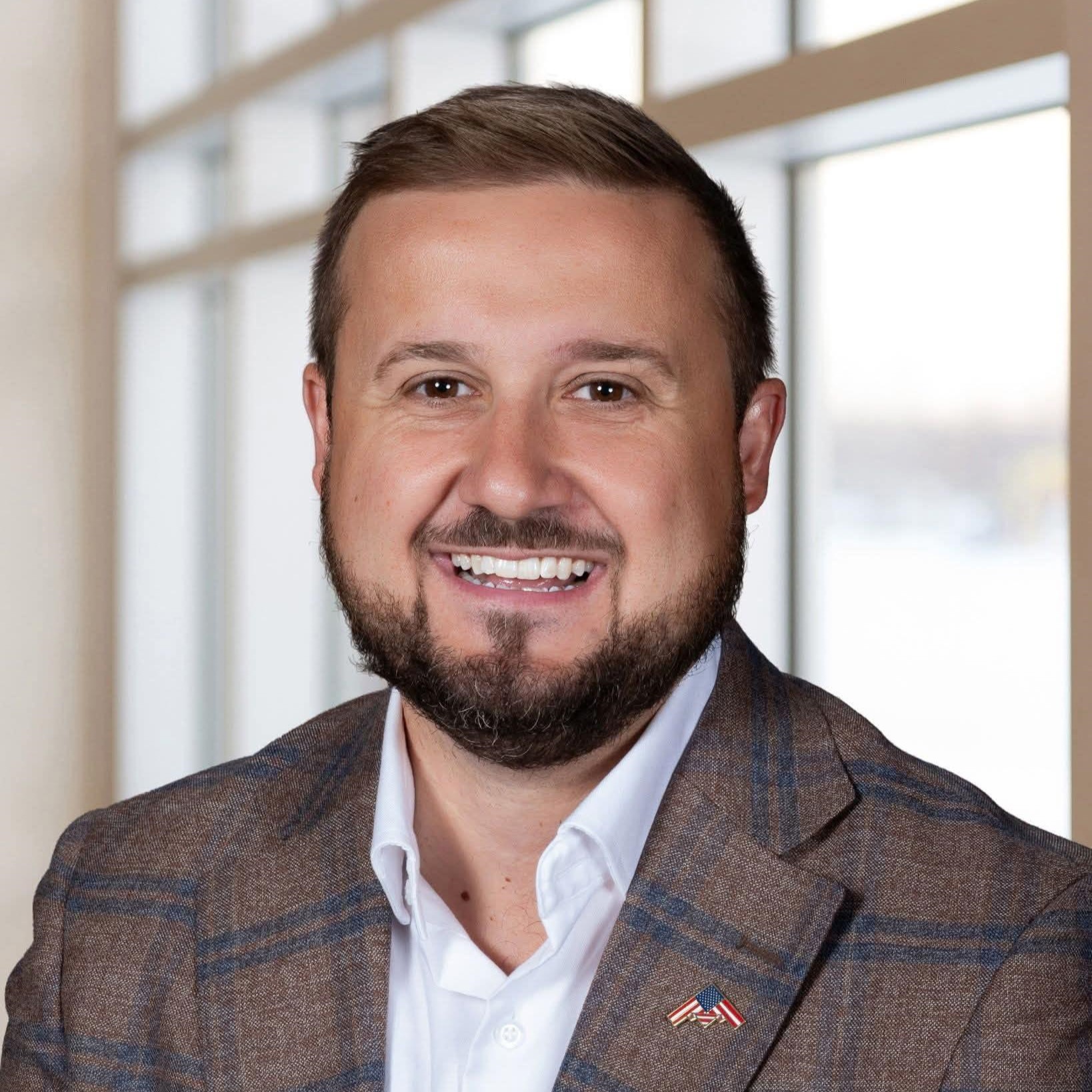
Austin Peterson
Running for: District 4
Minnesota | Senate
Endorsements (3 Max): Minnesota Chamber of Commerce, Minnesota Police and Peace Officers Association, Housing First
Candidate Questionnaire
What motivated you to run for the Minnesota Legislature? (100 words max)
I believe our district needs strong, practical leadership focused on families, businesses, and rural communities. I want to bring my real world experience to St. Paul and make sure our communities have a strong voice.
What personal, professional, or community experiences have best prepared you to serve as a State Legislator? (100 words max)
My experience building businesses, creating jobs, developing housing, serving on the Hawley School Board, and volunteering in my community has prepared me to lead. These roles have taught me how to solve problems, manage budgets, bring people together, and get things done.
If elected, what would be your top three priorities for the State of Minnesota, and why? (100 words max)
Lower costs and taxes so Minnesota remains affordable for families, farmers, and businesses.
Stop fraud and improve accountability so taxpayers can trust how their money is spent.
Strengthen rural Minnesota by investing in housing, healthcare, education, infrastructure, and economic growth.
Looking ahead five years, what do you see as the most significant opportunities and challenges facing Minnesota? (100 words max)
Minnesota has a tremendous opportunity to grow our economy, strengthen rural communities, and make our state a place where families and businesses want to stay and invest. Our biggest challenges will be keeping Minnesota affordable, addressing fraud and government accountability, expanding housing and workforce opportunities, and ensuring access to quality healthcare and education. We need policies that encourage investment and job creation while protecting taxpayers and maintaining the quality of life that makes Minnesota a great place to call home.
Do you support the use of state funding for programs and initiatives aimed at attracting, developing, and retaining talent throughout Minnesota? Please explain. (100 words max)
Yes. Minnesota should strategically invest in workforce development, education, apprenticeships, and programs that connect people with good-paying jobs. These investments should be accountable, results driven, and focused on keeping talent in Minnesota while helping employers find the skilled workers they need.
Do you support the use of state funding for economic development, such as incentives, tax credits, and other programs to support business retention, attraction and expansion? Please explain. (100 words max)
Yes. Minnesota should be competitive in retaining, attracting, and growing businesses. I support targeted incentives, tax credits, and economic development tools when they produce measurable results, create jobs, and expand the tax base. At the same time, our long-term focus should be on lowering taxes and regulatory burdens so businesses choose Minnesota because it is a great place to invest and grow not simply because government offered an incentive.
In 2023, F-M Metro COG conducted a study of the metro area’s housing market that identified the need for 16,400 housing units across the region by 2032. What policies or tools can the Legislature use to support the development of attainable, market-rate housing in Clay County and across Minnesota? (100 words max)
Minnesota needs to make it easier and less expensive to build housing. I support reducing unnecessary regulations, speeding up permitting, expanding infrastructure tools such as TIF, and encouraging public-private partnerships that help projects move forward. We should also give local communities flexibility to address their housing needs while focusing state resources on infrastructure and removing barriers that drive up construction costs.
Access to quality childcare continues to be a major concern for families and employers across the state. If elected, how would you work to expand access to affordable, high-quality childcare in Minnesota? Please explain. (100 words max)
Childcare is both a family issue and a workforce issue. I support reducing unnecessary regulations that make it harder for providers to open and expand, strengthening the childcare workforce, and targeting assistance toward families and communities with the greatest need. We should also encourage employer partnerships and innovative childcare models, especially in rural Minnesota. Our goal should be to increase the number of quality childcare options while lowering costs for families and ensuring providers can operate sustainable businesses.
Border communities often face unique economic challenges and opportunities due to differences in policy, taxation and regulation between neighboring states. As a state legislator, how would you help strengthen Minnesota’s competitiveness and support economic growth in our region? (100 words max)
Minnesota’s border communities compete every day with neighboring states for businesses, jobs, and investment. I would work to lower taxes, reduce unnecessary regulations, speed up permitting, and make Minnesota a more competitive place to do business. We also need strong investments in housing, infrastructure, and workforce development. In our region, we should be asking a simple question: why is a business choosing Fargo over Moorhead, and what can we do to make Minnesota the better choice?
The FM Area Diversion is one of the most significant infrastructure projects in U.S. history. How would you provide state support to get this project across the finish line? (100 words max)
The FM Area Diversion is critical to protecting families, businesses, and future investment in our region. I would work to ensure Minnesota meets its commitments, supports the necessary infrastructure, and partners effectively with local and federal leaders to get the project completed. After years of planning and investment, we need to finish the job and provide permanent flood protection for the region.