
Nonpartisan
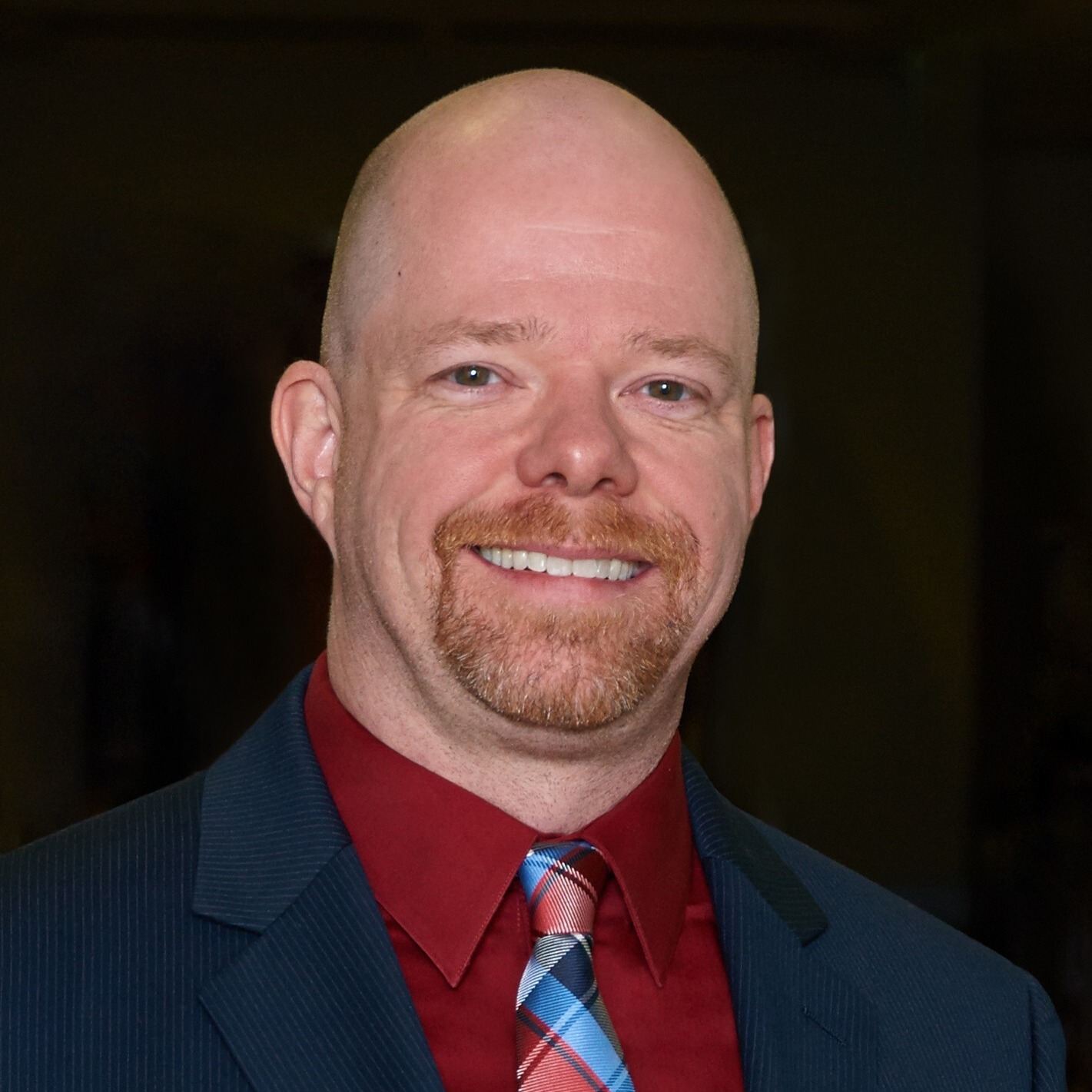
Chad Peterson
Running for: Fargo City Commission
North Dakota
Endorsements (3 Max): Building Industry Association of the Red River Valley
Candidate Questionnaire
What motivated you to run for the Fargo City Commission? (100 words max)
As a lifelong Fargo resident and small business owner, I’m running to bring proven, results-focused leadership back to city government. Fargo must get back to the basics: fiscal responsibility, public safety, and maintaining infrastructure. I want to ensure our city stays affordable, safe, and family-friendly for the next generation. Local government should work to solve city problems while avoiding mission creep.
What personal, professional, or community experiences have best prepared you to serve as a Fargo City Commissioner? (100 words max)
As a small business owner for decades, I’ve met payroll, navigated regulations, and created jobs. My 12 years managing county budgets, infrastructure, HR, and finance taught me how to deliver results while holding the line on taxes. Prior service on the Fargo Board of Adjustment, Cass County Planning Commission, Greater Fargo-Moorhead EDC, and Metro Flood Diversion Authority gave me deep insight into planning, economic development, and regional collaboration. These experiences equip me to make practical, taxpayer-first decisions for Fargo.
If elected as City Commissioner, what would be your top three priorities for the City of Fargo, and why? (100 words max)
1. Fiscal responsibility—hold the line on property taxes and eliminate wasteful spending to keep Fargo affordable.
2. Public safety—fully fund and support our 911 emergency dispatch team, police and fire fighters to protect families and businesses.
3. Strategic infrastructure—fix roads and essentials to support responsible growth.
These priorities are the core functions of city government. Without strong finances, safety, and basic services, everything else fails. My county experience proves we can deliver results without raising taxes or expanding bureaucracy.
Looking ahead five years, what do you see as the most significant opportunities and challenges facing Fargo? (100 words max)
Opportunities: Leverage our strong economy, universities, great neighborhoods and quality of life to attract families and high-quality jobs, positioning Fargo as a Midwest leader in ag-tech, finance, and small business growth.
Challenges: Managing rapid growth without spiking taxes or straining infrastructure, while addressing housing supply and workforce shortages.
With fiscally sound, pro-growth leadership focused on critical core services, we can seize these opportunities and keep Fargo prosperous, safe, and affordable.
What strategies or initiatives would you support to attract, retain, and expand businesses in Fargo? Please include your perspective on the role of local incentives in economic development. (100 words max)
I support reducing red tape, streamlining permits, modernizing zoning, and maintaining low taxes to create a competitive business climate. Foster pro-business, entrepreneurial policies that supports job creation and workforce retention and expansion. Local incentives should be limited, and performance based. The first question that needs to be asked regarding any incentive should be, is this project in the best interest of the taxpayers? Government’s role is not to pick winners, but to get out of the way and let free enterprise thrive.
Workforce availability remains one of the most significant challenges facing employers across the region. What role can the City play in supporting workforce attraction, retention, and development? (100 words max)
Promote Fargo’s strengths—affordable housing, safe neighborhoods, Midwest values, and strive to ensure low, stable taxes—to attract workers. Strong public safety and economic opportunity are the best retention tools. Employers, not government, create jobs; the City’s job is to create the right environment. I am uniquely qualified and understand these issues as I had over a decade of experience on the GFMEDC Board with a goal of retention and expansion of workforce talent in our primary sectors.
In 2023, F-M Metro COG conducted a study of the metro area’s housing market that identified the need for 16,400 housing units across the region by 2033. What policies or tools can the City of Fargo use to support the development of attainable, market-rate housing in Fargo? (100 words max)
Streamline permitting, reform outdated zoning to allow market-driven density, and cut unnecessary regulations that inflate costs. Partner with private developers on infrastructure for shovel-ready sites. Focus on attainable, market-rate housing by letting supply meet demand—not through subsidies or mandates that raise prices for everyone. My planning commission experience shows that reducing barriers, not adding government programs, is the proven way to increase attainable housing without burdening taxpayers.
How critical is public safety to the vibrancy and vitality of our community, and what approaches would you support to strengthen public safety in Fargo? (100 words max)
Public safety is essential—safe streets are the foundation for businesses, families, events, and economic vitality. Without it, nothing else works. I support fully funding all our first responders, competitive pay for recruitment and retention, data-driven policing, and strong community partnerships. Coordinate with mental health services for appropriate diversion, but never at the expense of public safety. My experience working with our sheriff’s department and national leadership chairing homeland security committees confirm that proactive, well-resourced first responders keep communities strong.
Do you support or oppose transitioning to a ward-based commission system? Please explain your position. (100 words max)
If the concern is that areas of our city are currently underrepresented, I would prefer to look at the Cass County model that has commissioners running from a geographic district and elected at large. This ensures every commissioner represents the entire city, not just one neighborhood. It promotes city-wide solutions, unity, and accountability to all residents rather than fragmented ward politics or potential parochial spending.