
Nonpartisan
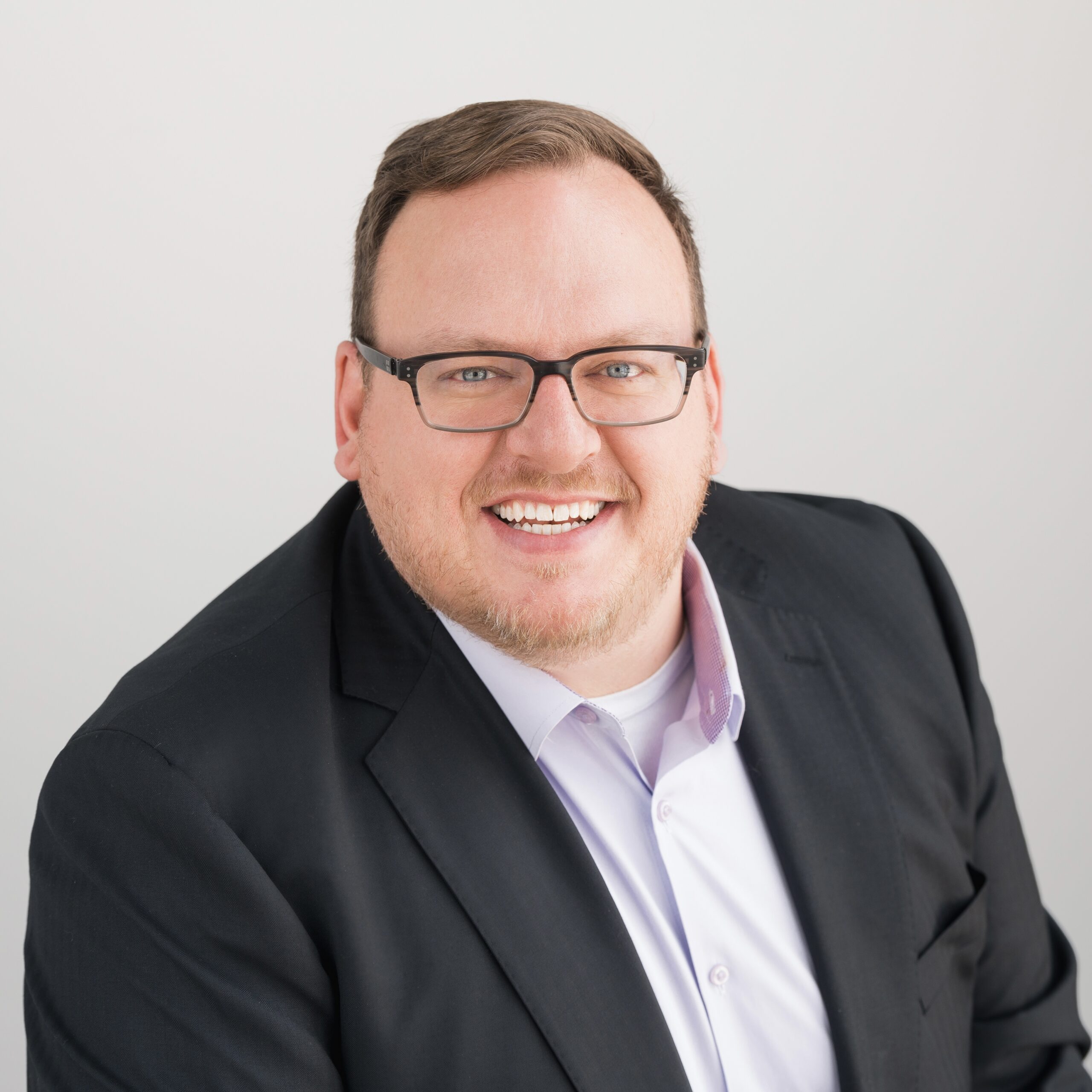
Josh Boschee
Running for: Fargo Mayor
North Dakota
Endorsements (3 Max): Building Industry Association of the Red River Valley
Candidate Questionnaire
What motivated you to run for the Mayor of Fargo? (100 words max)
I'm running for Mayor because I love this city and want to make sure it continues to be a place in which everyone can thrive. We are a growing city that is full of opportunity. However, we lack a shared vision that directs us in the same direction. I believe that my experience in the North Dakota legislature and as a real estate broker positions me well to help tackle the challenges facing our community. But that requires a leader, like me, who can bring stakeholders together, chart a path forward and measure outcomes to demonstrate being good stewards of taxpayer dollars.
What personal, professional, or community experiences have best prepared you to serve as Mayor of Fargo? (100 words max)
Having represented Fargo in Bismarck for over a decade, I’ve built a proven record of working across the political spectrum to deliver results on affordable housing, workforce development, public safety, property tax relief, and public transit. As a real estate broker, I’ve worked with buyers and sellers in every neighborhood, giving me firsthand insight into what makes each part of Fargo unique. Over the past 20 years, I’ve also served on more than 14 local and statewide boards and commissions. That combination of experience, collaboration, and results-driven leadership is what I’ll bring to City Hall.
If elected as Mayor, what would be your top three priorities for the City of Fargo, and why? (100 words max)
My first priority is balancing the 2027 budget with no more than a 1% increase focused on protecting core services, rebuilding emergency reserves, and demanding accountability for every dollar. Second, I’ll advance affordable housing by creating a task force of homeowners, renters, builders, landlords, and nonprofits to develop Fargo-driven solutions to reduce housing costs. Third, I’ll strengthen public safety so residents feel safe in every neighborhood by focusing law enforcement on the most serious crimes while expanding community engagement and prevention efforts.
Looking ahead five years, what do you see as the most significant opportunities and challenges facing Fargo? (100 words max)
Fargo has tremendous opportunity to build on our growth and economic diversity by retaining more of our region’s graduating students and strengthening our workforce pipeline. That means aligning housing, transit, and career opportunities so young people can afford to build their future here. Our biggest challenge is managing that growth responsibly by ensuring infrastructure keeps pace, housing remains affordable, and city finances stay sustainable. If we don’t act intentionally, growth can strain services and drive up costs. With the right leadership, a clear plan and shared vision, we can turn that growth into long-term prosperity for all residents.
What strategies or initiatives would you support to attract, retain, and expand businesses in Fargo? Please include your perspective on the role of local incentives in economic development. (100 words max)
I’ll focus on strengthening our culture of collaboration to support our entrepreneurs, small businesses, and growing industries. With 25,000 small businesses and a thriving startup ecosystem, city leadership must bring together business owners, neighborhood associations, community organizations and developers to prioritize and align with our citizen driven Fargo Growth Plan. I’ll also increase accountability by setting clear expectations, tracking outcomes, and ensuring transparency in how decisions are made. Local incentives should be used strategically and tied to measurable public benefits like job creation and tax base growth, with regular evaluation to ensure they deliver real value for taxpayers.
Workforce availability remains one of the most significant challenges facing employers across the region. What role can the City play in supporting workforce attraction, retention, and development? (100 words max)
The City can play a key role by aligning housing, transportation, and economic development to support a workforce that can actually afford to live here, while promoting the high quality of life that Fargoans desire. That means expanding affordable housing, increasing wages, improving transit and partnering with K12 schools, colleges, apprenticeship programs and employers to retain graduates. By bringing stakeholders together with clear goals and accountability, and supporting small businesses and startups, we can create opportunities that attract talent and help people become rooted and build their future here.
In 2023, F-M Metro COG conducted a study of the metro area’s housing market that identified the need for 16,400 housing units across the region by 2033. What policies or tools can the City of Fargo use to support the development of attainable, market-rate housing in Fargo? (100 words max)
We need to establish measurable goals to increase housing in Fargo and a commitment to act. We can expand supply by modernizing zoning for greater density and housing types, streamlining permitting, and aligning growth with existing infrastructure. Targeted incentives and specials relief should support projects that meet low- and moderate-income needs and align with growth plan density goals. Partnering with realtors, builders, lenders and nonprofits can accelerate development, while prioritizing investments near jobs and transit to keep housing attainable. I would also tap our community's entrepreneurial spirit with an ideas challenge to drive innovative infill and divers housing solutions.
How critical is public safety to the vibrancy and vitality of our community, and what approaches would you support to strengthen public safety in Fargo? (100 words max)
People need to feel safe in their homes and neighborhoods for our community to thrive. I support a balanced approach that ensures law enforcement can focus on the most serious and repeat offenses, while the city partners with stakeholders to invest in prevention, mental health services, and community-based solutions. Strengthening partnerships between police and neighborhoods, improving data-driven decision-making and working with prosecutors to hold repeat criminals accountable will strengthen trust between Fargoans and city leaders. We also need to address root causes like housing instability and workforce challenges so we’re not just responding to crime, but reducing it over time.
Do you support or oppose transitioning to a ward-based commission system? Please explain your position. (100 words max)
I support transitioning to a council-based system because I know it will create more equitable, neighborhood-focused representation in city hall. Fargo is the only city with a population over 100,000 people that still has a commission-based system, which does not guarantee that all parts of the city have a voice. A ward system ensures every neighborhood elects someone who understands its unique needs and I believe will increase engagement with Fargoans and their respective council member. A council model also improves accountability by separating policy oversight from day-to-day operations and strengthening transparency in decision-making.