Democratic-NPL
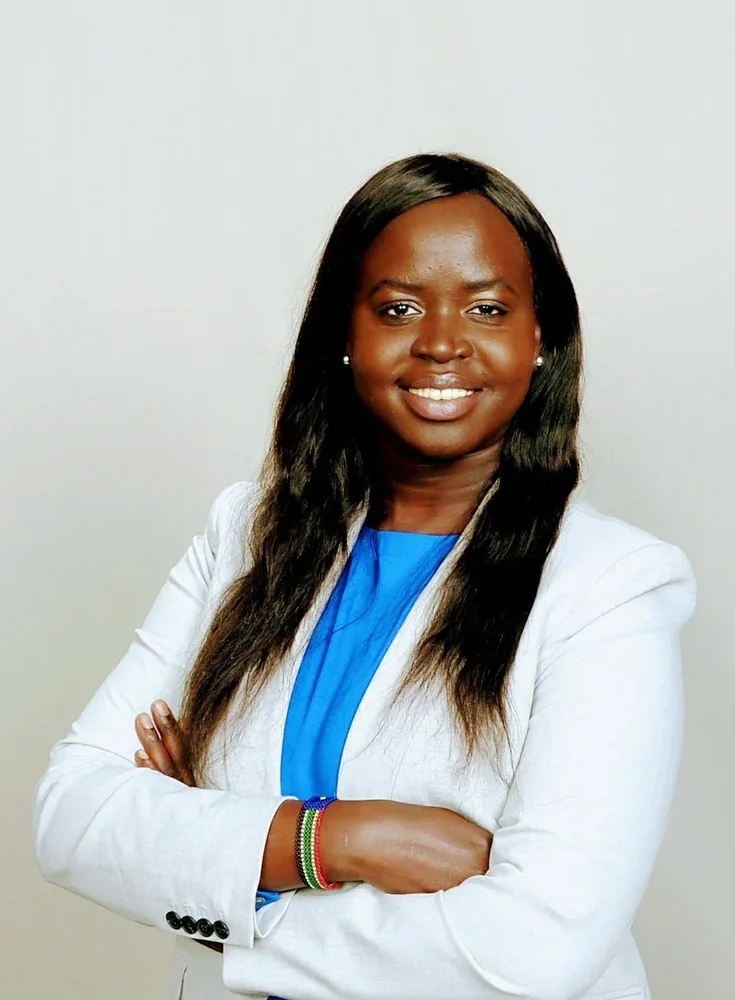
Nyamal Dei
Running for: District 41
North Dakota | Senate
Endorsements (3 Max): District 41 chair and the committee members
Candidate Questionnaire
What motivated you to run for the North Dakota Legislature? (100 words max)
I’m running for the North Dakota Legislature because I’ve lived the challenges our families face and know government can work better for all of us. As a school board member and community leader, I’ve seen how decisions in Bismarck shape our classrooms, paychecks, and healthcare. I’m motivated to bring practical solutions on cost of living, strong schools, and a healthy workforce, and to unite—not divide—our communities so every neighbor has a fair chance to thrive.
What personal, professional, or community experiences have best prepared you to serve as a State Legislator? (100 words max)
My life as a refugee child who navigated loss, poverty, and a new country taught me resilience, hard work, and deep empathy for struggling families. Professionally, I serve on the Fargo Board of Education, where I help oversee budgets, policy, and student outcomes for thousands of children. As founder and executive director of a nonprofit, I’ve built programs, secured funding, and worked across sectors to solve problems. These personal, professional, and community experiences give me the skills and perspective to serve effectively in the Legislature.
If elected, what would be your top three priorities for the State of North Dakota, and why? (100 words max)
My top priorities would be:
Cost of living and housing. Families are squeezed by rising costs, so I’d focus on fair taxes, more workforce housing, and policies that keep young people here.
Strong schools and childcare. As a school board member, I know we must invest in teachers, mental health, and affordable childcare so every child can succeed.
Workforce, healthcare, and community unity. North Dakota needs a strong workforce, accessible healthcare, and leaders who bring rural and urban communities together to solve problems instead of dividing us.
Looking ahead five years, what do you see as the most significant opportunities and challenges facing North Dakota? (100 words max)
North Dakota’s biggest opportunities are building a skilled workforce, leveraging energy and agriculture to drive innovation, and strengthening small towns and regional hubs that attract and retain families. Major challenges will be workforce shortages, rising housing and childcare costs, behavioral health needs, and keeping rural healthcare, roads, and bridges strong as our population and economy change. Our task is to connect education, immigration, infrastructure, and health policy so more North Dakotans can share in that growth.
Do you support the use of state funding for programs and initiatives aimed at attracting, developing, and retaining talent throughout North Dakota? Please explain. (100 words max)
Yes. State investment in attracting, developing, and retaining talent is essential to North Dakota’s long-term economic health and quality of life. When done well, these programs help fill critical workforce gaps, support local employers, and keep young people and families here. I support funding strategies that are transparent, accountable, and tied to measurable outcomes, including partnerships with employers, schools, and communities. We should focus especially on in-demand fields, rural and healthcare needs, and efforts that welcome new residents who want to live, work, and put down roots in our state.
Do you support the use of state funding for economic development, such as incentives, tax credits, and other programs to support business retention, attraction and expansion? Please explain. (100 words max)
Yes, with clear guardrails. I support using targeted incentives, tax credits, and financing tools to keep and grow good-paying jobs, especially in rural areas and key sectors like energy, agriculture, and technology. But these tools must deliver real value for taxpayers, with strong transparency, clawbacks when promises are not met, and a focus on North Dakota workers and communities—not just corporate balance sheets. Done right, state economic development funding can help small and mid-sized businesses expand, revitalize main streets, and strengthen our overall tax base.
In 2023, F-M Metro COG conducted a study of the metro area’s housing market that identified the need for 16,400 housing units across the region by 2032. What policies or tools can the Legislature use to support the development of attainable, market-rate housing in Cass County and across North Dakota? (100 words max)
The Legislature can expand tools that lower costs and reduce barriers for builders while protecting local control. That includes strengthening ND Housing Finance Agency programs like the Housing Incentive Fund, infrastructure and gap-financing tools, and low-interest loans that make projects pencil out. We can also support local zoning reforms that allow more “missing middle” housing, incentivize redevelopment near jobs and transit, and pilot public‑private partnerships to bring attainable units online faster in Cass County and across the state.
Access to quality childcare continues to be a major concern for families and employers across the state. If elected, how would you work to expand access to affordable, high-quality childcare in North Dakota? Please explain. (100 words max)
I would build on recent bipartisan childcare investments and make them permanent, predictable, and easier for families and providers to use. That means expanding childcare assistance and tax credits, stabilizing wages for early educators, and supporting employer cost‑sharing models like the Working Parents Child Care Relief pilot. I’d also invest in start‑up and facility grants, rural and non‑traditional‑hours care, and quality initiatives such as Bright & Early ND and Child Care Aware so families can access safe, high‑quality options in every community.
Do you support the development of the Red River Valley Water Supply Project? Please explain. (100 words max)
Yes. I support moving forward with the Red River Valley Water Supply Project because long‑term, reliable water is essential for public health, agriculture, industry, and community growth in our region. The project will provide an emergency and supplemental supply during drought, protecting families and employers from the kind of devastating shortages North Dakota saw in the 1930s. As a legislator, I would focus on strong oversight, transparent financing, and environmental safeguards so this major investment delivers real resilience and value for central North Dakota and the Red River Valley.
Do you support the development of a Natural Gas Pipeline to Eastern North Dakota? Please explain. (100 words max)
I support moving forward only if this project is done responsibly and with true respect for Native nations and local communities. A badly designed or routed pipeline can threaten water, land, treaty rights, sacred and burial sites, and community safety. That is why I believe any proposal must include early, meaningful tribal consultation and consent, strong environmental safeguards, landowner protections, and transparent state oversight before it moves ahead.